
Local Media vs. Earned Media: What’s the Difference and Why It Matters
Most organizations think they’re asking for media coverage.
What they’re actually asking — whether they realize it or not — is what kind of coverage will move their work forward.
Because “local media” and “earned media” are often used interchangeably, and they shouldn’t be. They operate differently, they signal different things to an audience, and when they’re misunderstood, they lead to strategies that look active but don’t produce meaningful visibility, credibility, or return.

Local media is defined by geography. It includes television stations, business journals, community publications, and regional outlets that cover what is happening within a specific market. In Omaha, that might mean coverage tied to economic development, nonprofit initiatives, small business growth, or community events.
The value of local media is not reach at scale, it is relevance. It reaches the people most likely to engage directly with your work: attend your events, hire your services, donate to your organization, or recognize your name in a decision-making room. For businesses and nonprofits operating in a defined region, local media builds familiarity, and familiarity compounds into trust.
Earned media is defined by process, not place. It is coverage that is not paid for, secured through pitching, positioning, and relevance. It includes features, interviews, expert quotes, podcast appearances, and editorial placements where a journalist, producer, or editor has determined that the story adds value to their audience. Earned media can appear in local outlets, national publications, or niche industry platforms. What matters is that it is independently validated. That distinction carries weight. Earned media signals credibility because the brand is not controlling the narrative; it is being selected for it.
The confusion between the two is where many communications strategies lose effectiveness. A segment on a local news station can be earned media if it was pitched and picked up editorially. A sponsored article in that same outlet is not. Even when the format looks similar, the audience interprets them differently. One is editorial coverage. The other is paid placement. That difference influences trust, engagement, and how the brand is remembered.
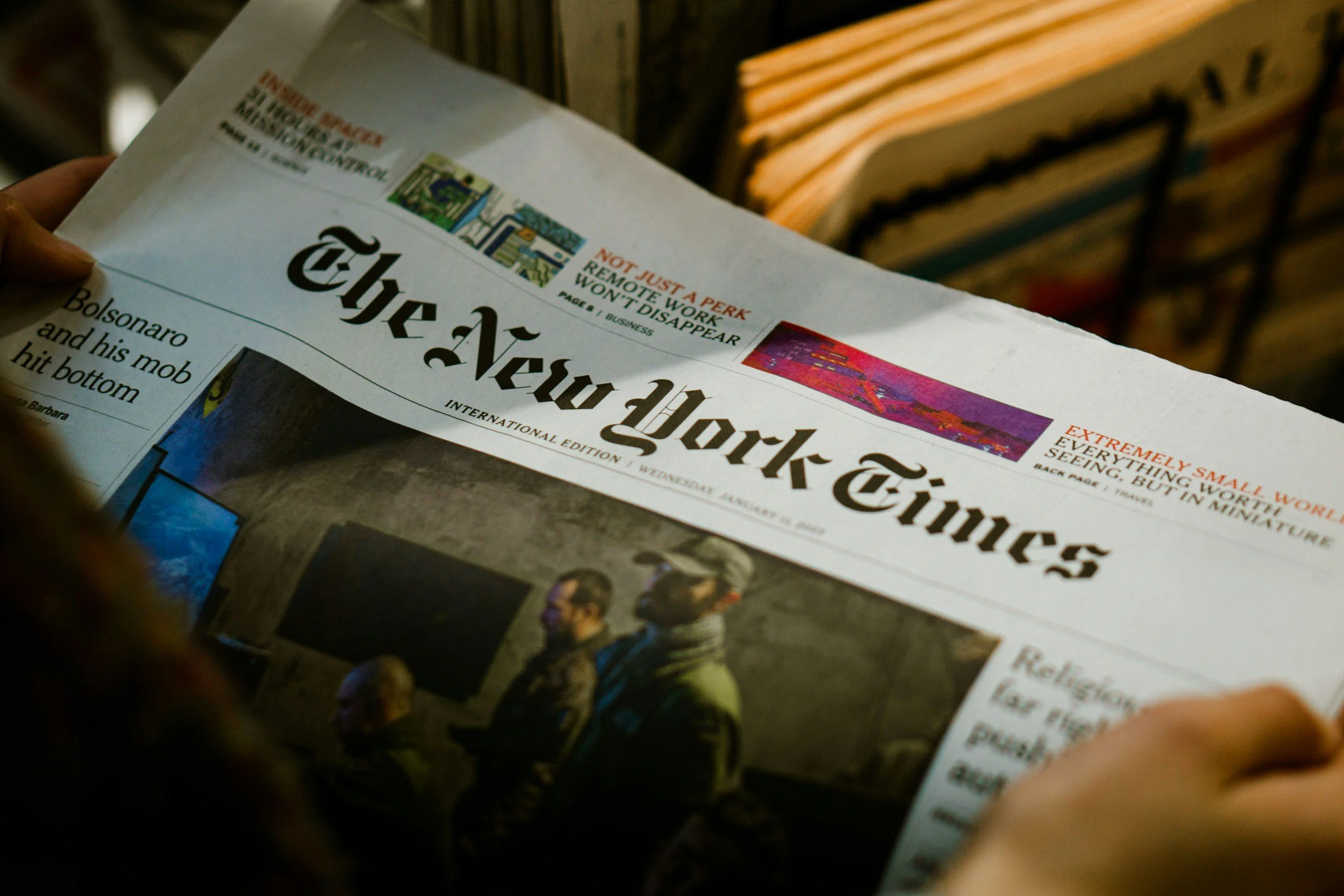
At the same time, earned media is not inherently local. A founder based in Omaha can be featured in a national business publication. A nonprofit leader can be quoted in a sector-specific report read across multiple states. These placements expand reach and position the individual or organization as a subject-matter expert. However, they do not replace the function of local media, which reinforces credibility within a specific community. One builds authority at scale. The other builds recognition where decisions are made locally.
An effective public relations strategy requires understanding how these two forms of media work together. Local media supports community visibility, strengthens regional reputation, and drives immediate engagement. Earned media builds third-party credibility, expands audience reach, and positions organizations within broader industry or national conversations. Treating them as interchangeable leads to misaligned expectations, either overvaluing broad exposure without local impact or undervaluing local coverage that directly influences growth.
The organizations that see results from media are not chasing placements. They are aligning story, audience, and platform. They are asking targeted questions: Who needs to hear this? What action should this coverage drive? Does this story belong in a local context, or does it serve a larger industry conversation? These decisions shape not only where a story appears, but how it performs once it does.
Media coverage, whether local or earned, is not the outcome. It is the distribution channel for a message that has already been defined. Without clarity on positioning, audience, and narrative, even high-visibility placements fail to convert into tangible outcomes. With that clarity, both local and earned media become strategic tools, one reinforcing presence in a specific market, the other extending credibility beyond it.
Understanding the difference is not a semantic exercise. It is a strategic one. And for organizations investing in public relations, brand visibility, and media outreach, it is the difference between being seen and being taken seriously.