

Mildred D. Brown: The Woman Who Built Black Media Power in Nebraska
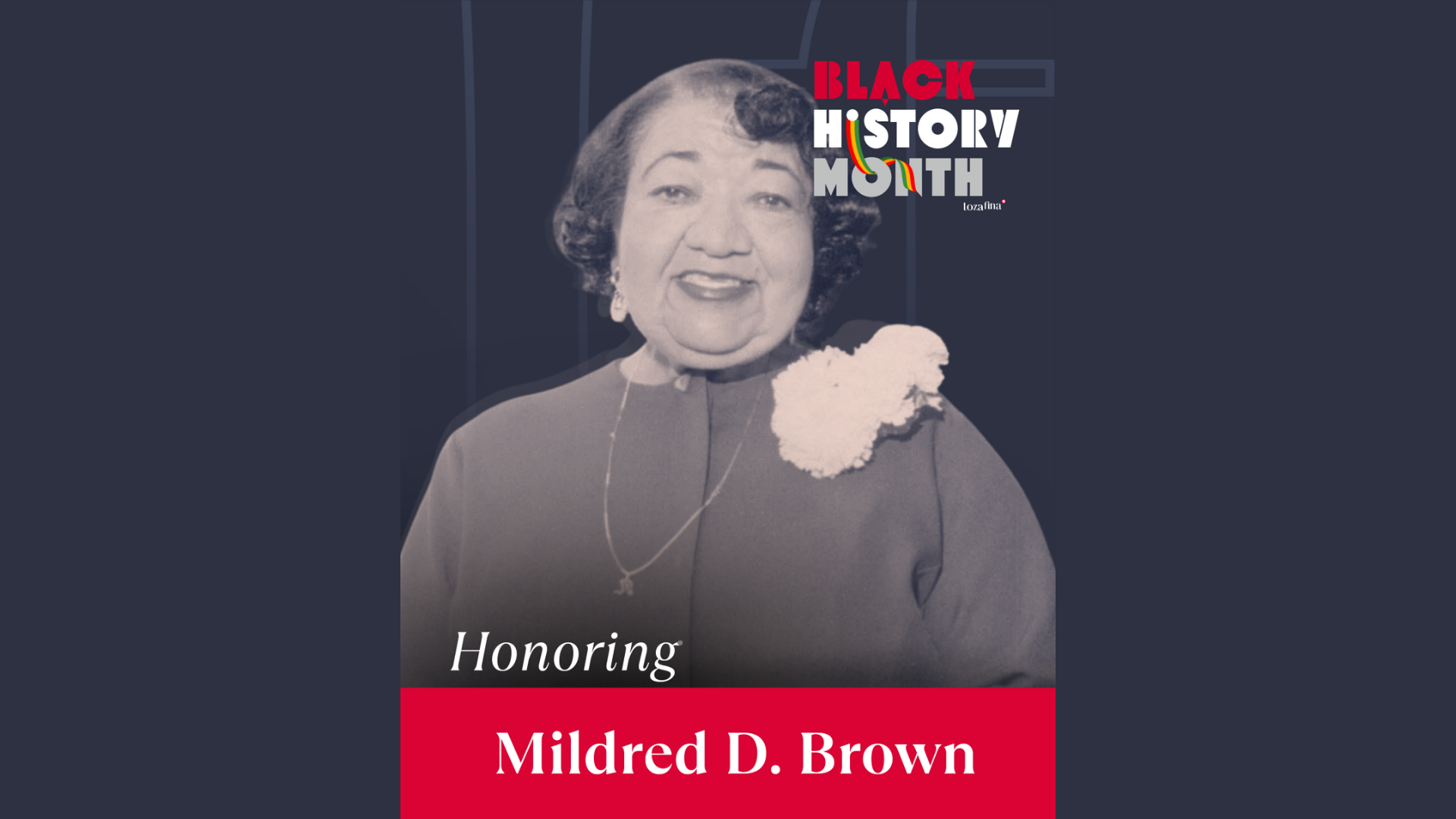
Mildred D. Brown
Legacy Maker | Omaha, Nebraska
Story by Aniya Porter
Mildred D. Brown understood the power of a voice, and she built one that carried an entire community.
Born in 1905 in Tuscaloosa, Alabama, Brown’s journey took her from the South to Chicago, then Des Moines, before she ultimately put down roots in Omaha, Nebraska. It was here that she would help shape Black history in Nebraska, not through protest alone, but through persistence, truth, and ink on paper.
In 1938, alongside her husband S. E. Gilbert, Brown co-founded The Omaha Star, a newspaper created to inform, connect, and uplift Omaha’s African American community. Under her leadership, the Star became an institution. At a time when Black voices were routinely ignored or misrepresented, Brown ensured they were recorded with dignity, accuracy, and purpose. Over time, The Omaha Star became, and remains, the only Black-owned newspaper in Nebraska, a testament to both its necessity and her stewardship.
Brown used journalism as a tool for empowerment. Through the pages of the Star, she educated readers, strengthened community ties, supported the civil rights movement, and helped African Americans access employment opportunities. She believed information could be liberation, and she made sure it reached the people who needed it most.
Her influence extended far beyond Omaha. In the 1960s, President Lyndon B. Johnson appointed Brown as a goodwill ambassador to East Germany, recognizing her leadership on an international stage. At home, she shattered barriers in business and media, becoming the first African American — and one of only a few women — inducted into the Omaha Business Hall of Fame.
Mildred D. Brown’s legacy continues through the honors bestowed after her passing, including inductions into the Nebraska Journalism Hall of Fame and the Omaha Press Club Journalism of Excellence Hall of Fame. But her greatest achievement lives on in the enduring truth she championed: when a community controls its own narrative, it controls its future.
Know a Black community leader whose story should be told? Nominate them by emailing office@lozafina.com.