

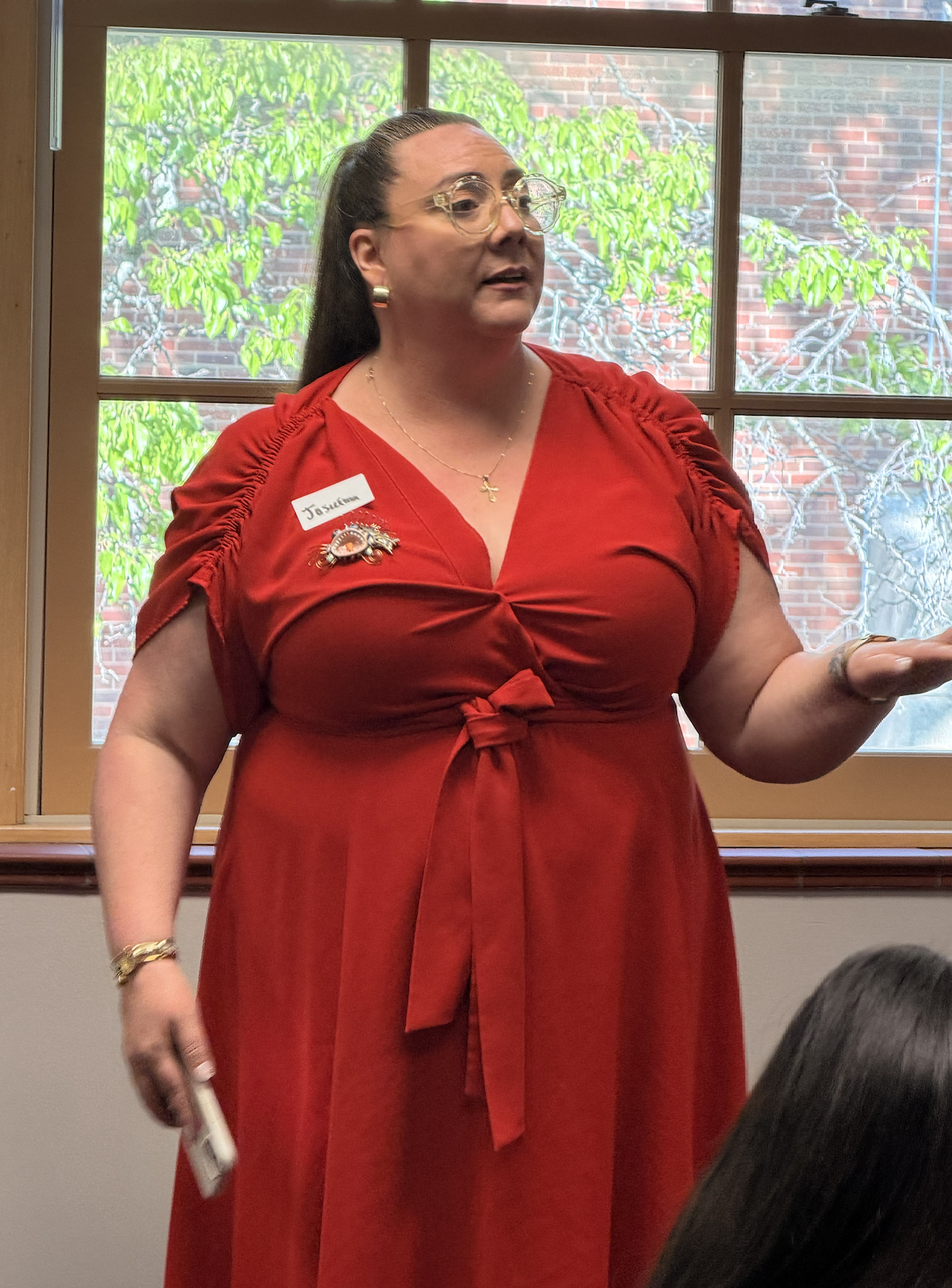
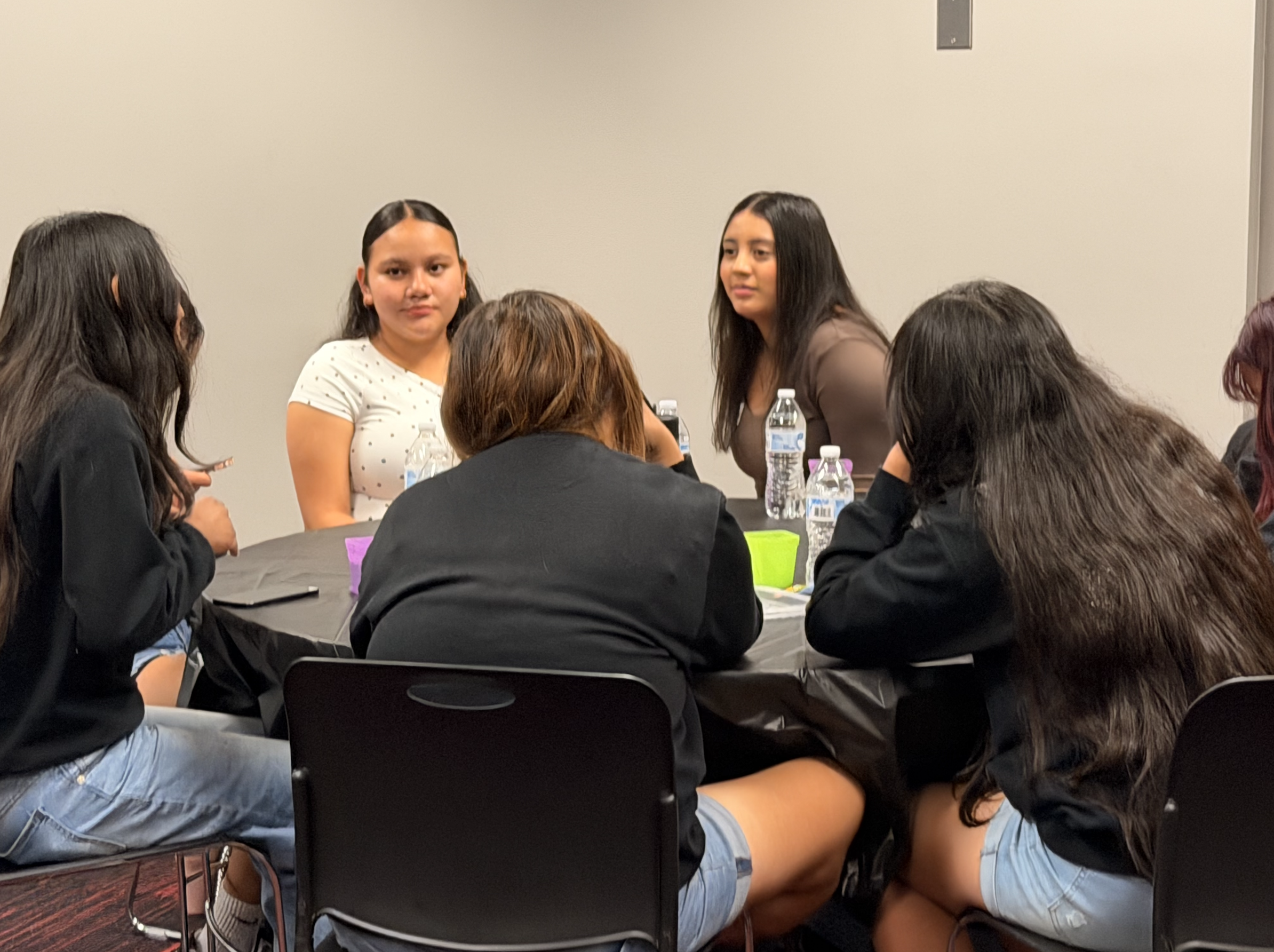
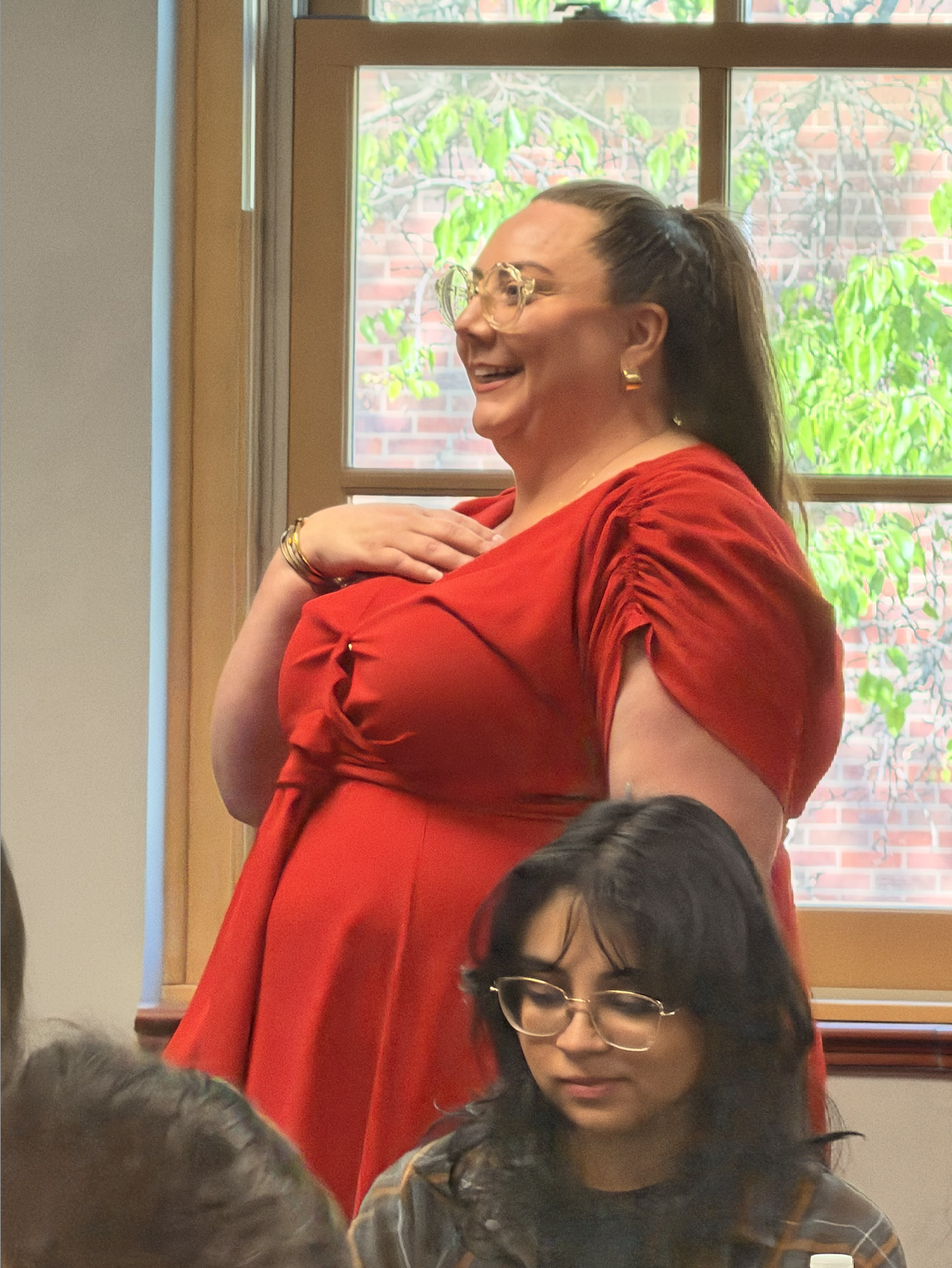
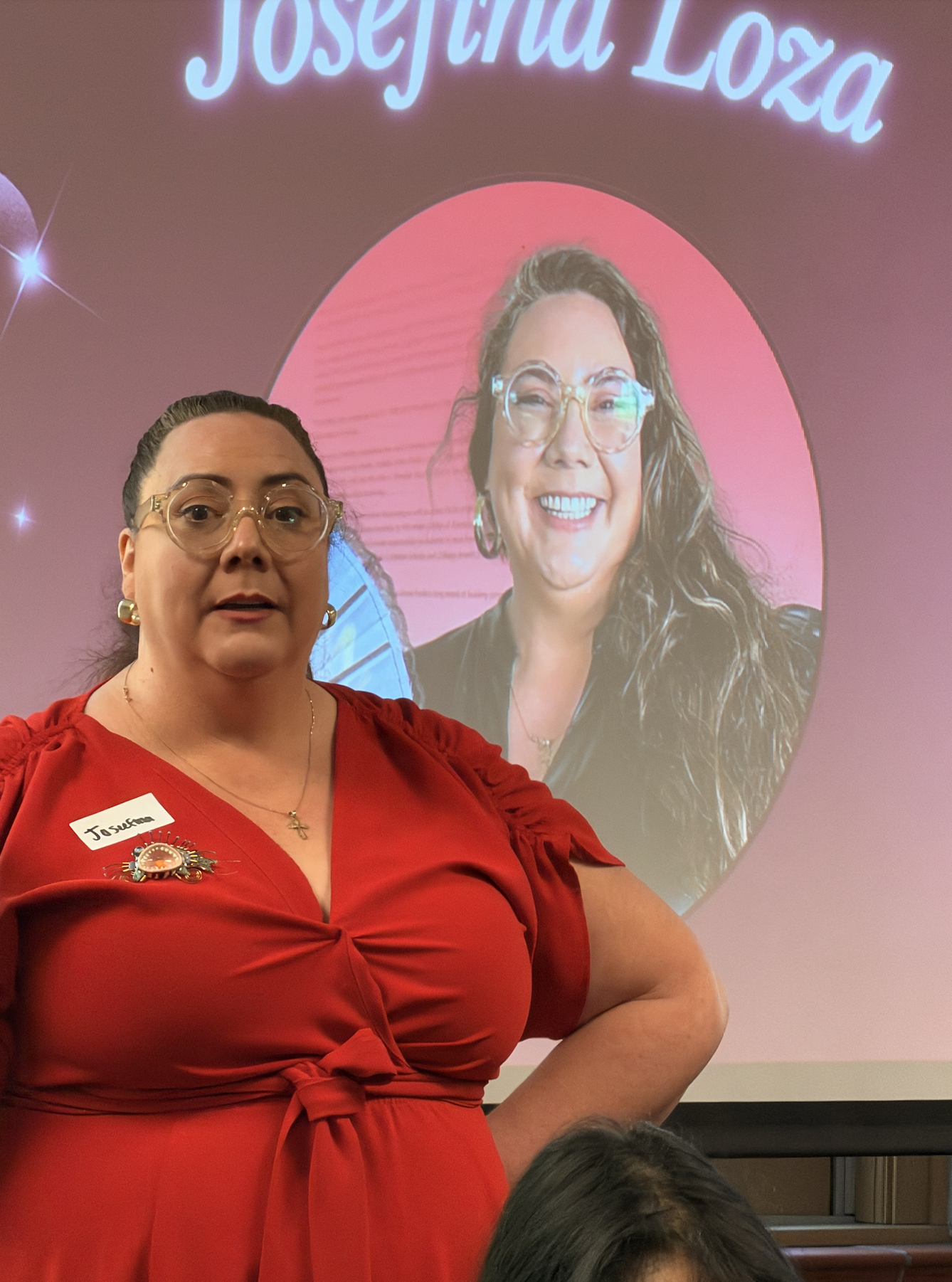
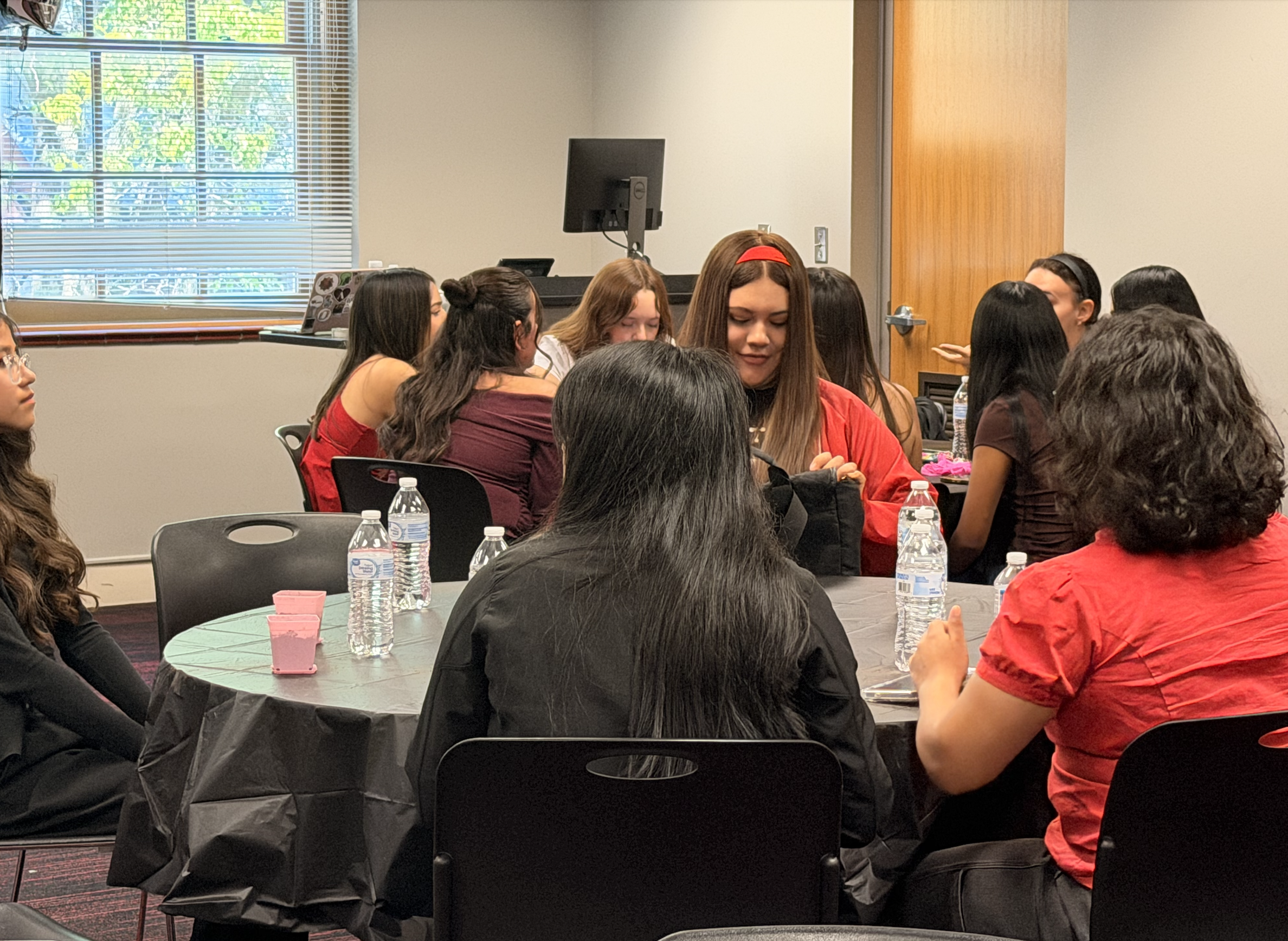
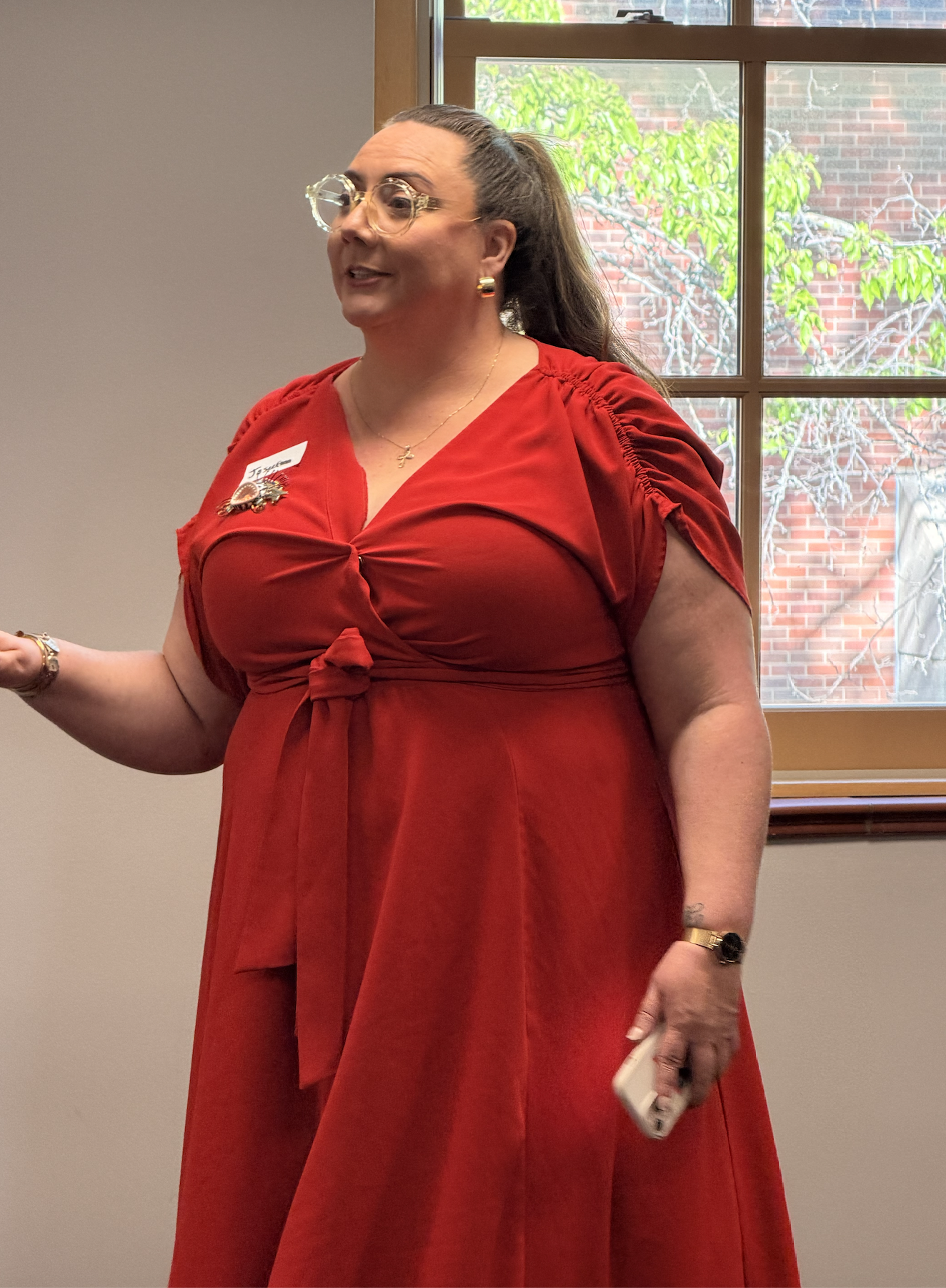
Lozafina CEO Josefina Loza delivered a heartfelt and empowering keynote address on Wednesday during Lambda Theta Nu Sorority, Inc.’s 2026 Latina Youth Leadership Conference at the University of Nebraska Omaha, encouraging high school students to believe in their futures, embrace literacy, and rise beyond circumstance.
Speaking directly to the 75-plus young women in attendance, Loza opened with a powerful reminder that background does not determine destiny.
“I want you to know something before I begin,” Loza said.
You do not have to come from wealth to build wealth.
You do not have to come from power to become powerful.
You do not have to have an easy story to create a great future.“Because I am living proof of that,” she said.
Where Her Story Began…
“I grew up in poverty right here in Nebraska. I know what it feels like to hear grown-ups stress about money,” Loza said. “I know what it feels like to eat rice and beans over and over because that’s what there was. I know what it feels like to want more but not know how to get it.”
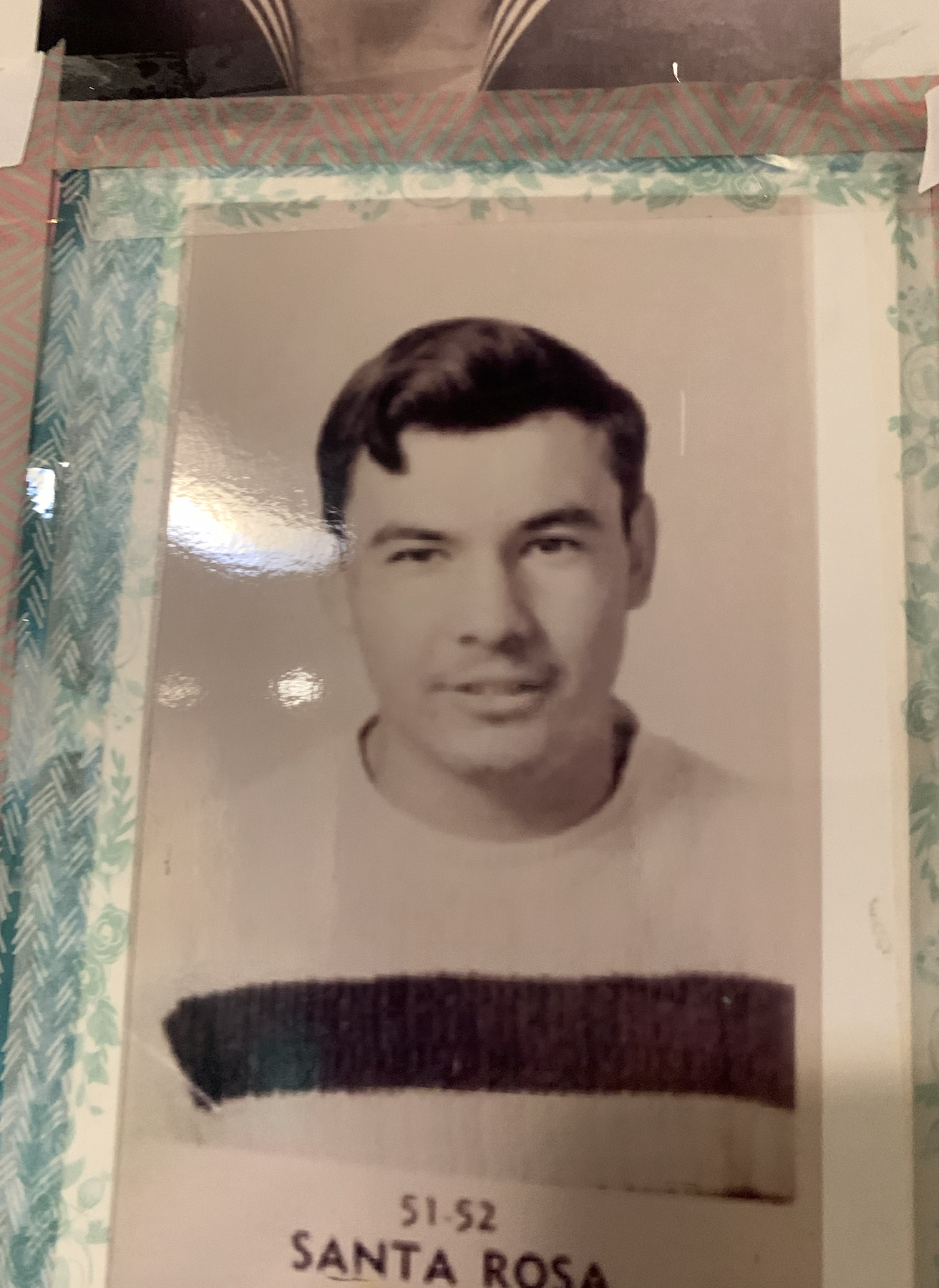
Loza’s father came to the United States from Mexico when he was only 14 years old.
“Think about that age. Fourteen,” she exclaimed. “Many of you are close to that age right now.“
At the age when some teens are worrying about homework or dances, her father was crossing borders, trying to survive and build a future.
He became a migrant worker. He worked in fields, orchards, and farms. He picked crops. He worked with his hands just as his parents and their parents before them. “He carried pain so my siblings and I could carry possibility,” Loza said.
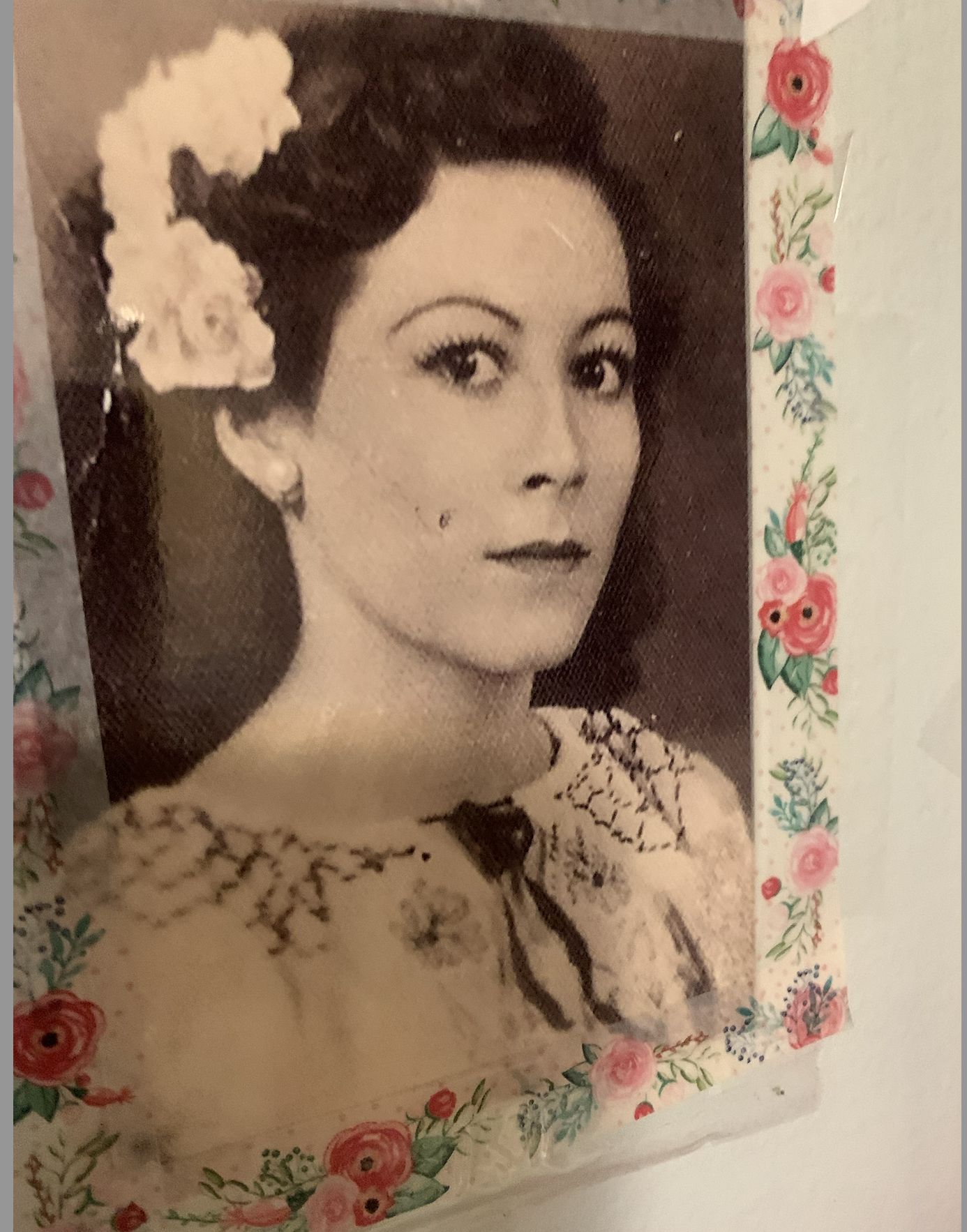
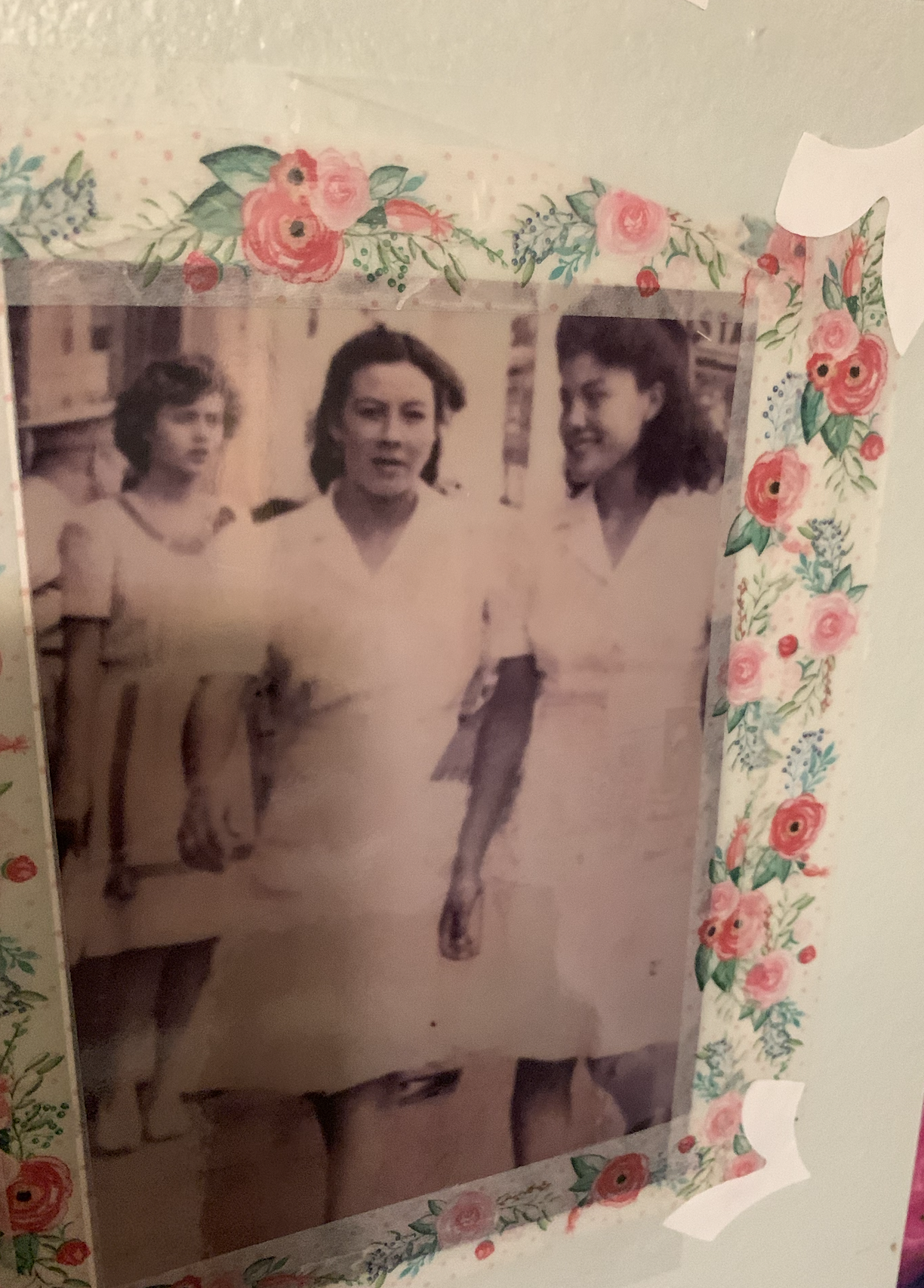
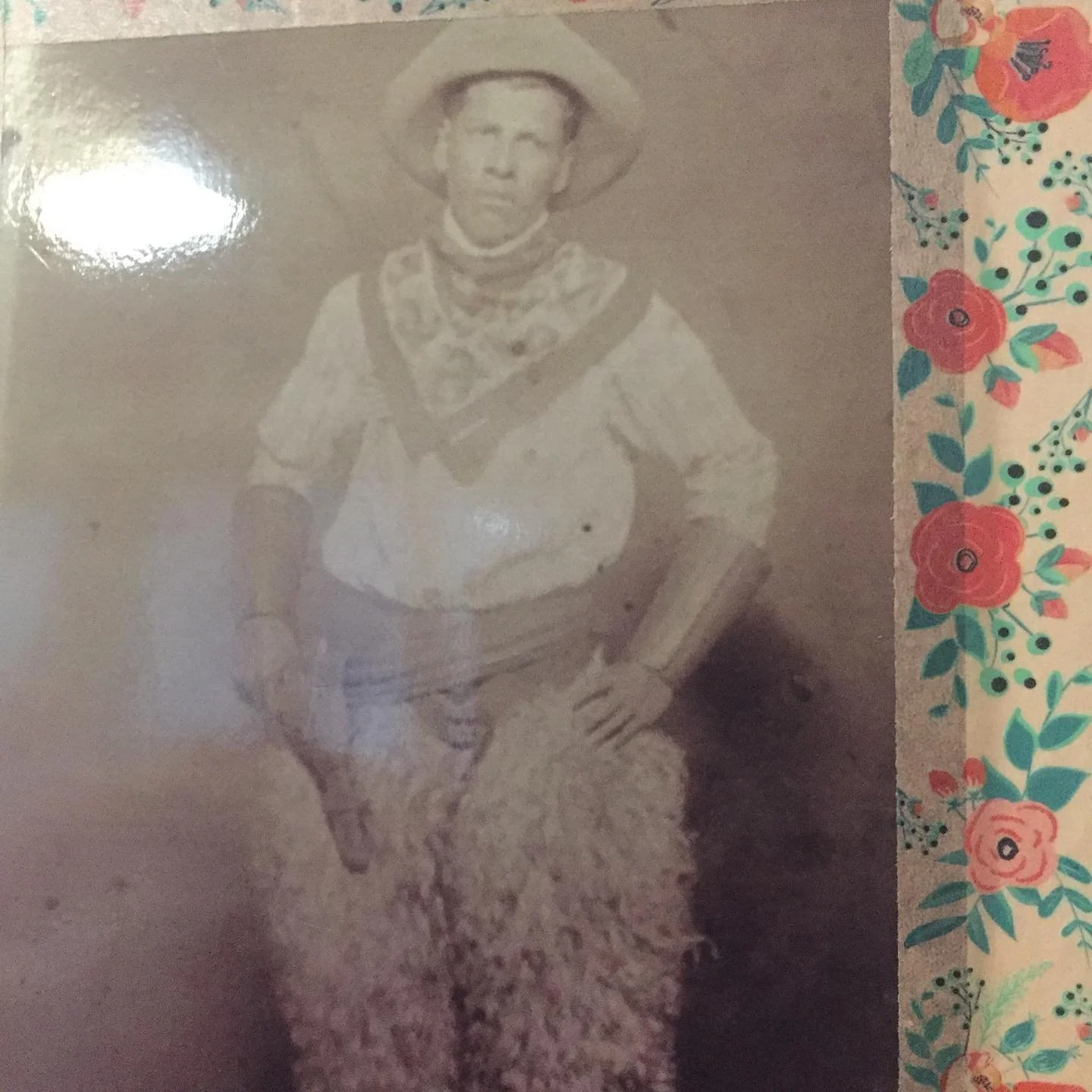
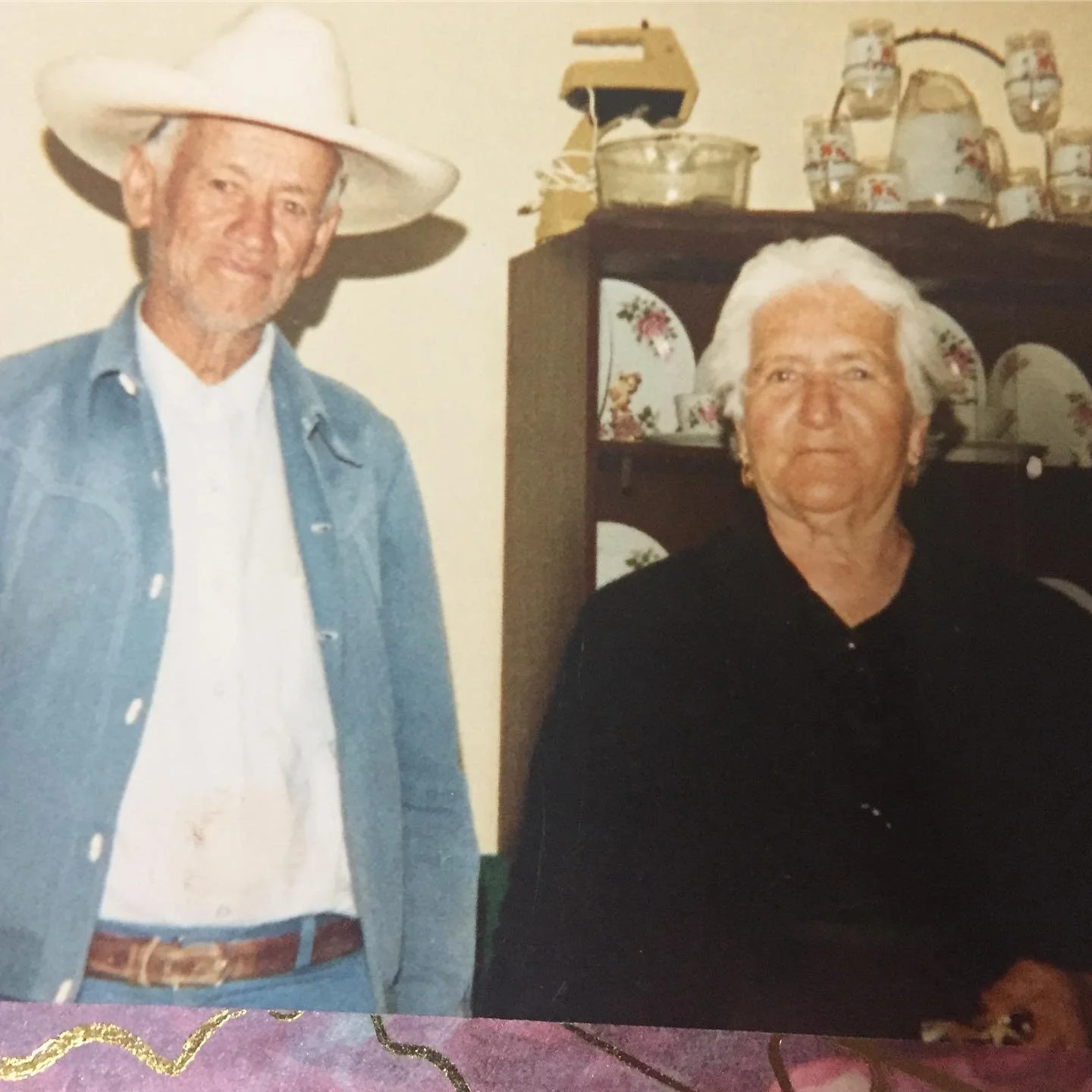
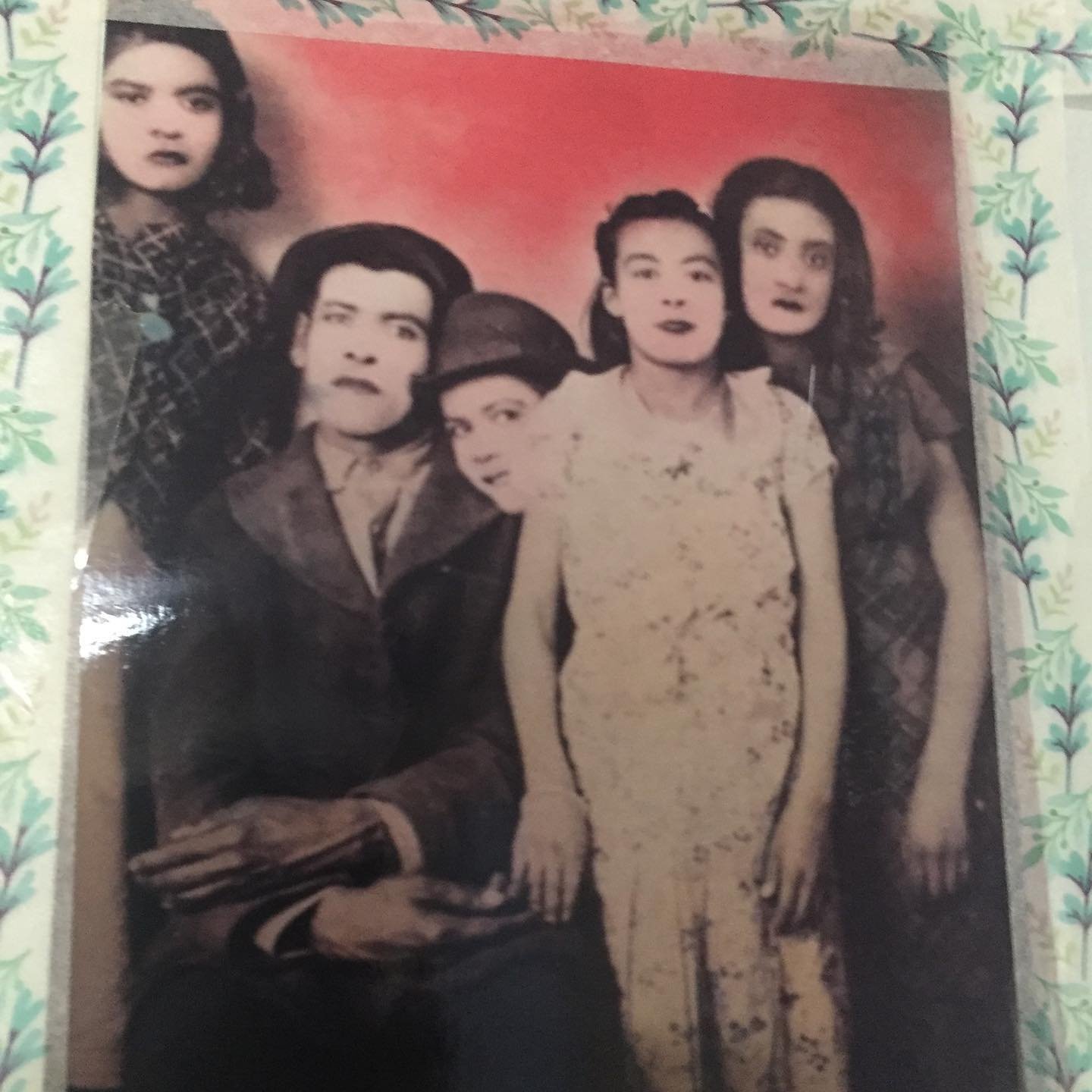
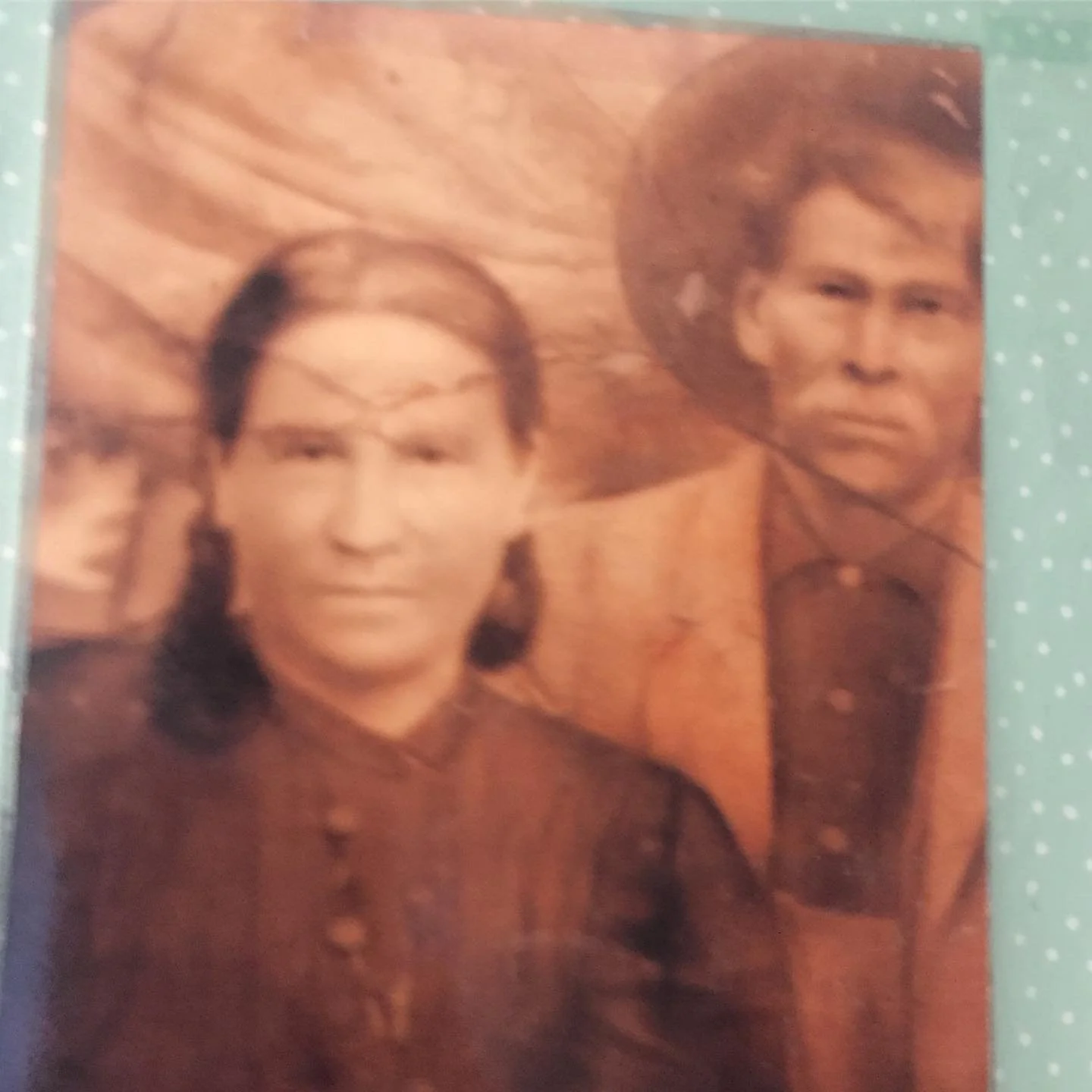
“My mother’s parents and grandparents were Bracero workers who crossed the border to work their shifts in fields, nannying other people’s children, and cleaning homes,” Loza added. (See below.) The Bracero Program was the largest U.S. “guest worker” program, contracting over 4.5 million Mexican nationals for agricultural and railroad labor to solve wartime shortages from the 1940s to 1960s. Workers were promised minimum wages (starting at 30 cents/hour) and decent housing, but often faced exploitation, low wages, and discrimination. The program officially ended in 1964.
“My father moved to Nebraska in the late ‘70s to work at a meatpacking plant, where at age 68 he still works to this day,” Loza said.
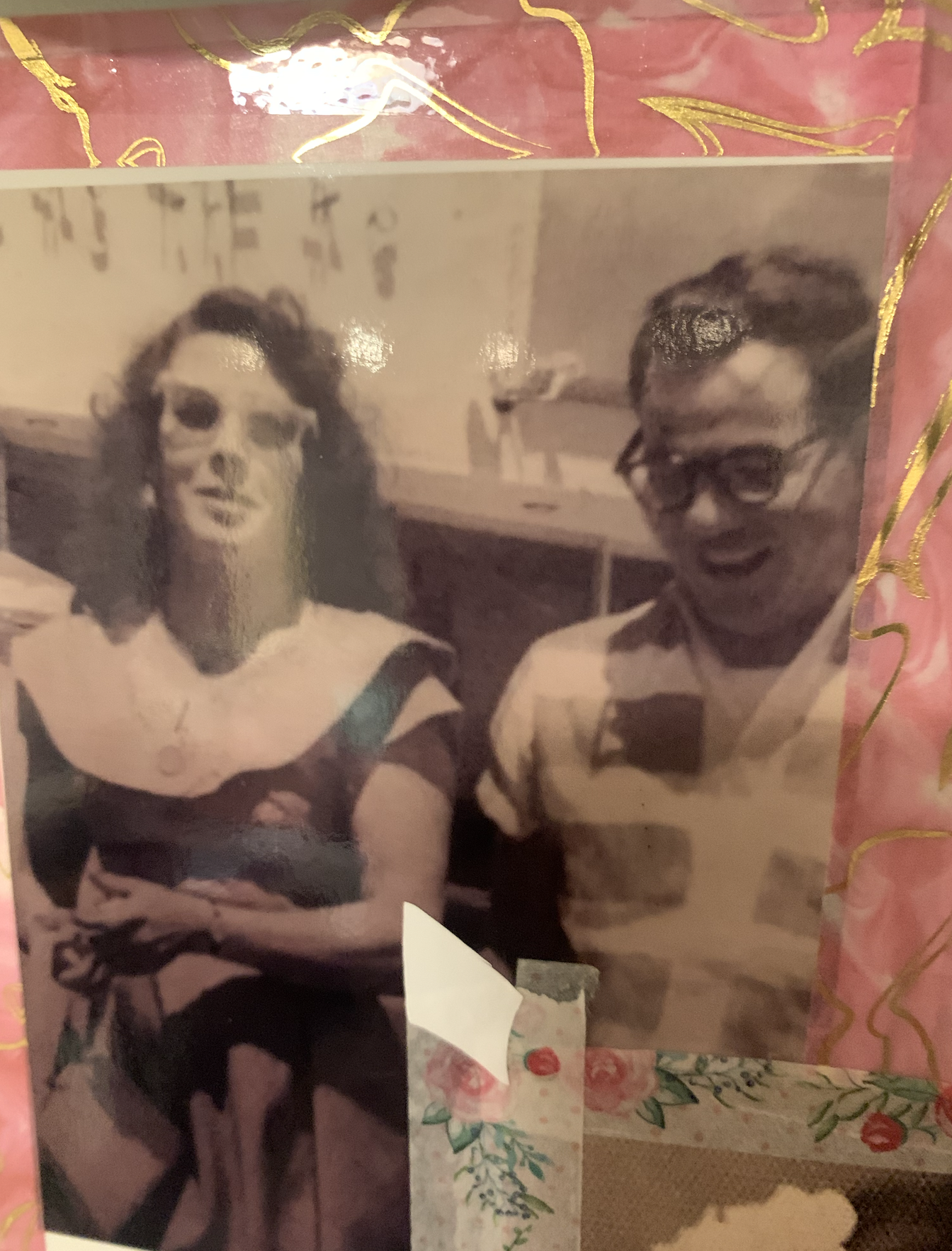
“My parents met and married at an early age. My mother was a teen mom who had dropped out of school. Life was not easy for them.
But they had something powerful: Hope.
And hope can change generations.”
Growing Up With Very Little
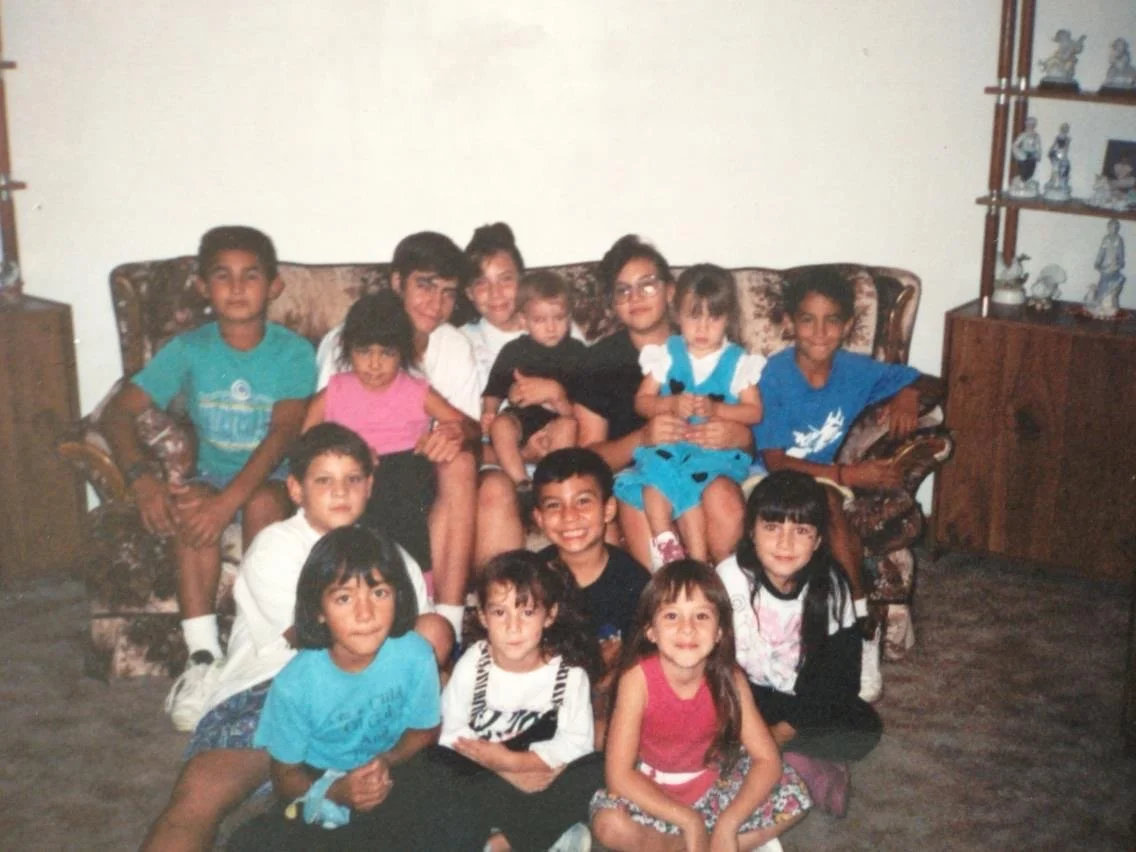
Loza lived in a small two-bedroom house in South Omaha.
“Many family members stayed with us,” she recalled. We made room because that is what Latino families do. We share, we help, we love hard.”
There were many nights when kids were sleeping everywhere, on the carpeted floors, on couches, packed into rooms. Actually, not the couches. She said they couldn’t wear out the couch cushions.
She remembers lying on the floor and staring at the ceiling, thinking, "There has to be more than this."
“Not because I was ashamed. But because I knew I had dreams,” Loza explained. “And let me tell you something: Wanting more for yourself is not disrespectful. Sometimes girls are taught to stay quiet, be grateful, and not ask for much.”
No. Be grateful, yes. But also dream boldly, Loza reminded the young women.
Literacy Changed My Life

“Today, I was asked to talk about literacy,” Loza continued. “So let me tell you plainly: Reading saved me.”
Books showed her lives beyond my neighborhood. Writing gave her a voice. Newspapers taught her the world. Stories taught her empathy. Words taught her power. When you read, no one can lock your mind in one neighborhood. When you write, no one can silence your truth. When you communicate well, doors open.
“High school is the perfect time to become dangerous in the best way possible… with knowledge,” Loza said.
She advised: Read books. Read biographies. Read articles. Read history. Read about women who built businesses. Read about Latinas who broke barriers.
And write, she continued. Journal. Write poems. Write speeches. Write goals. Write the life you want.
“Because words become worlds,” she said.
I wasn’t the “Smartest” - an excerpt from her speech.
“I need every girl in here to hear me….,” Loza said.
I was not the girl everyone said would be the most successful.
I was not the smartest in the room.
I was not the richest.
I was not the most connected.
But I was persistent.
That matters more than talent sometimes.”
Loza earned the Goodrich Scholarship, a full-ride scholarship to the University of Nebraska at Omaha, and became the first college graduate on both sides of her family.
Do you know what that means?
It means one person’s decision can change an entire family tree.
“That one person might be you,” she told the high schoolers.
“I Knocked on Doors.”
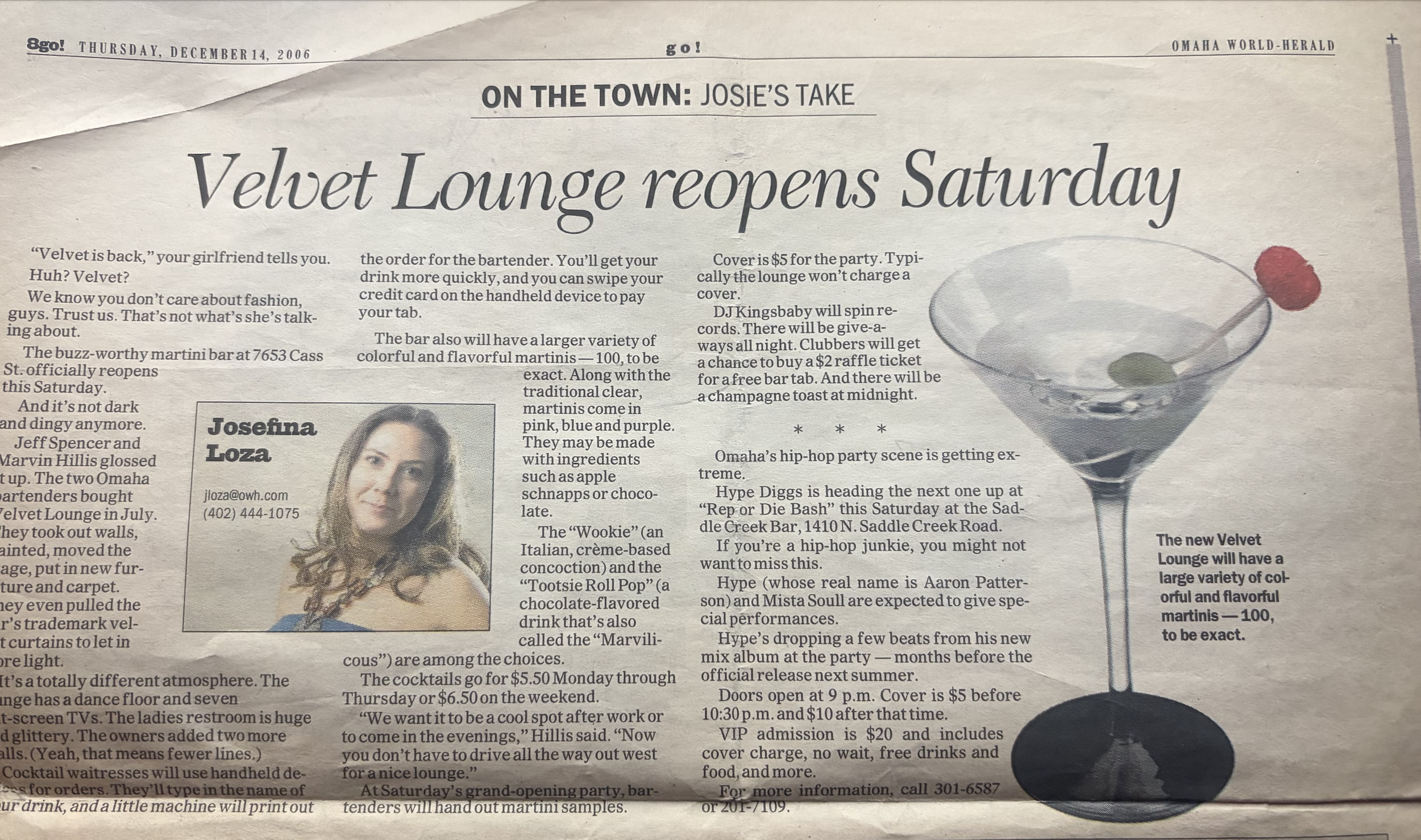
At 17, Loza wanted to be a writer. So, she knocked on doors until someone let her in.
Her high school journalism teacher introduced her to the managing editor of the largest daily newspaper in Nebraska.
Before her freshman year of college began, Loza started working at the Omaha World-Herald newsroom. Later, she wrote breaking news stories, became a nightlife columnist, worked in journalism, and built a career online telling stories.
“Here’s the lesson,” she said. ”Don’t wait to be chosen.”
Apply. Ask. Raise your hand. Send the email. Try out. Audition. Speak up. Closed mouths don’t get opportunities.
Hard Seasons Came Too
Life was not one straight climb.
She went through pain.
She went through toxic environments.
She went through fear.
She went through moments where she doubted herself.
“There were seasons where I was a poverty-stricken single mother trying to make things work,” she recalled. “There were seasons where I cried in private and smiled in public. There were seasons where I wondered if I had enough strength.”
Maybe some of you know what it’s like when life at home feels heavy. Maybe some of you know anxiety. Maybe some of you know bullying. Maybe some of you know the feeling of being unseen.
Hear me: “Your current chapter is not your final chapter.”
Betting on Myself
During the pandemic, she explained, she saw many Black and Brown small businesses struggling.
“I knew I had skills in communication, branding, media, and storytelling,” Loza said. “So I started my own company: Lozafina.”
She started with about $500 and a lot of faith. No rich investors. No magic plan. No guarantee. Just courage.
Today, Lozafina serves businesses, nonprofits, and leaders through branding, marketing, and public relations nationwide.
“What I’ve been blessed to achieve,” Loza said. “I share these not to brag, but to show you what is possible.”
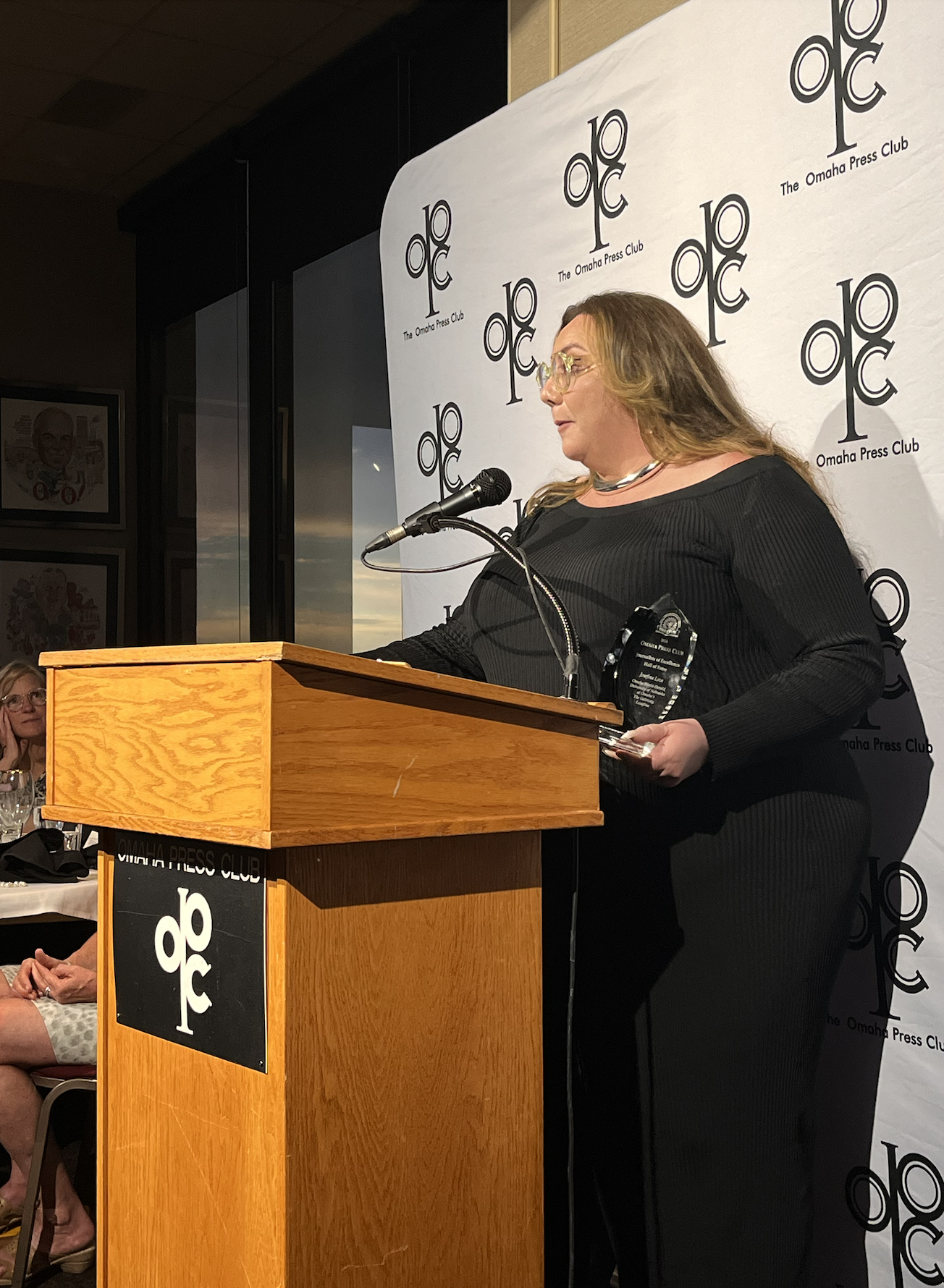
Loza was inducted into the Omaha Press Club Journalists of Excellence Hall of Fame in 2024.
Loza was recognized as PRSA Nebraska Newcomer of the Year.
Loza was honored as one of the Omaha Jaycees Ten Outstanding Young Omahans.
Loza was named to the Midlands Business Journal 40 Under 40.
Loza’s articles have been featured in local and national publications.
Why does that matter?
“Because if a girl who once slept on the floor can rise to stages she once couldn’t imagine, Loza said. “So can you.”
Josefina’s Advice for Every Girl in This Room
1. Protect Your Mind - Not every opinion deserves space in your head.
2. Read Every Day - Ten pages a day changes lives.
3. Learn How to Speak - Communication is a superpower.
4. Be Kind But Not Weak - You can be sweet and still have standards.
5. Choose Friends Carefully - Your circle can lift you or limit you.
6. Start Before You Feel Ready - Confidence often comes after action.
7. Respect Your Roots - Your culture is a strength, not something to hide.
8. Ask for Help - Strong people ask questions.
9. Keep Going After Failure - Failure is information, not identity.
10. Dream Bigger Than Your Zip Code - Where you live now does not define where you belong later.