

Amazon’s Amateur-Looking Prime Video Ads Are Annoyingly Brilliant
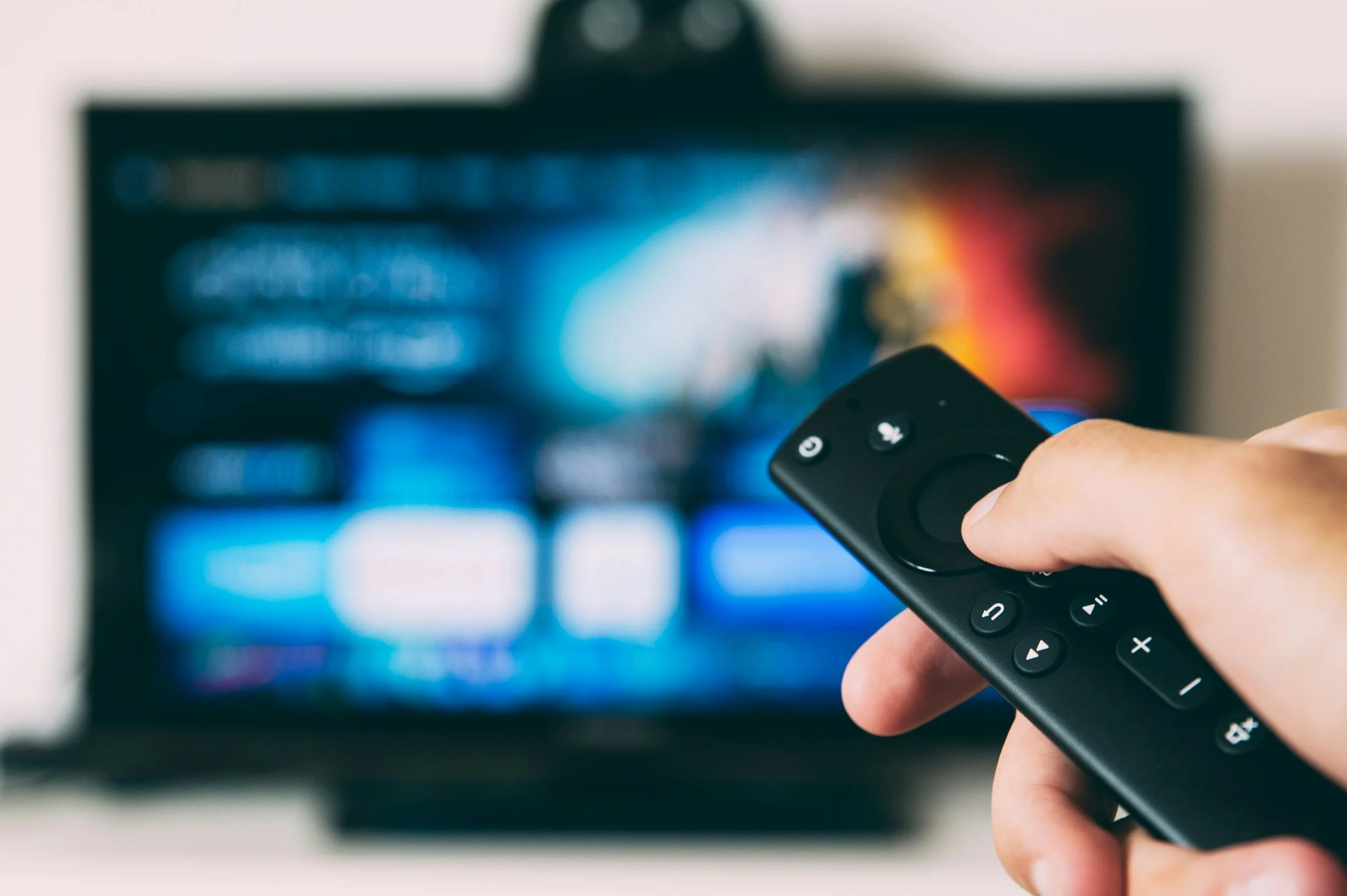
I was watching “Sterling Point,” a coming-of-age drama on Amazon Prime Video, when the commercial break began.
Suddenly, some random dude appeared on his deck with a rooster in the background. He held an Amazon knee brace and shouted into the camera as if he had just discovered the greatest invention of our time.
The lighting was basic. The delivery felt unrehearsed. The entire thing looked more like a customer review than a television commercial.
It felt amateur, but that was precisely the point.
Amazon and its advertisers are borrowing the style of user-generated content: the casual product reviews, demonstrations, and unboxing videos people see on TikTok, Instagram, and Amazon product pages. Instead of looking like a company is selling something, the ad feels like an everyday person is sharing something useful.
Their reasoning: authenticity.
Consumers have learned to recognize and ignore traditional advertising. The polished spokesperson, perfect set, and carefully rehearsed script immediately tell us we are being sold something.
An informal product video can lower that resistance.
The ordinary setting, conversational delivery, and imperfect production make the person appear more relatable. We may be more willing to consider a recommendation when it feels like it came from someone like us.
But that does not necessarily mean the person is an independent customer. The video could feature a paid creator, influencer, spokesperson, or brand representative. In some cases, the content may be carefully planned to appear spontaneous.
This is what makes the format both effective and a little unsettling. It adopts the visual language of an independent review while functioning as paid advertising.
If you’re not paying attention, Amazon is quietly turning television into a storefront.
The larger strategy extends far beyond these amateur-looking ads. Amazon has been connecting entertainment, advertising, and online shopping within the same ecosystem for well over a year now.
Prime Video introduces the product. Amazon’s advertising technology identifies the audience. The Amazon store provides the listing, reviews, and checkout process right there on your screen. Amazon can then measure whether people exposed to the commercial visited the product page, added the item to their carts, or purchased it.
That is an enormous advantage over traditional television advertising.
A conventional television network can tell a brand approximately how many people saw its commercial. Amazon can potentially connect exposure to actual shopping activity.
According to Amazon, Prime Video reaches more than 130 million ad-supported customers in the United States each month. The company also reports that 88% of its U.S. Prime Video viewers have shopped on Amazon.
Most viewers already have an Amazon relationship, and likely an account, shopping history, and stored payment method.
The journey from watching to purchasing is remarkably short.
Making commercial breaks a shoppable experience is annoyingly brilliant.
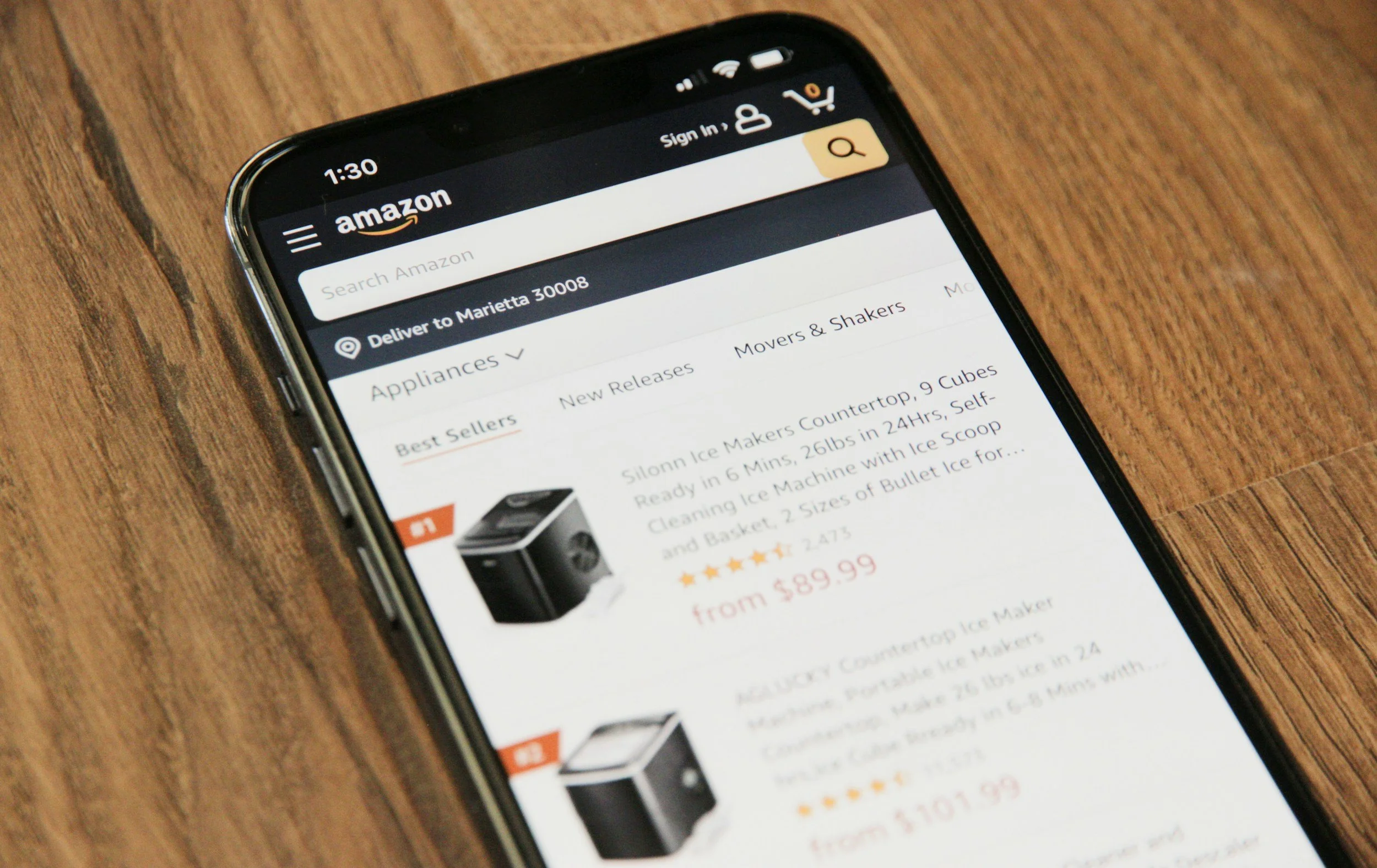
Amazon’s interactive advertising formats can display current prices, discounts, ratings, reviews, availability, and Prime shipping information.
Some ads allow viewers to learn more, send information to their phones, or add an item to their Amazon carts using the television remote. Amazon has also introduced AI-powered pause ads that can generate messages related to what is happening in the program.
The company describes these advertisements as extensions of the entertainment experience rather than interruptions.
Whether viewers agree may be another question.
Still, the strategy is clear: Amazon does not want us to simply remember a product. It wants us to take immediate action.
Smaller brands are getting in on the action, too. They can now advertise on the big screen.
The unusual quality of some commercials also reflects a major change in who can afford to advertise on television.
Historically, national television campaigns required substantial media and production budgets. Prime Video’s advertising platform gives smaller businesses and independent Amazon sellers access to streaming audiences without requiring a massive traditional television buy.
Amazon also offers creative and AI-powered tools that can turn existing product materials into video ads. That lowers the financial and technical barriers, but it can also produce commercials that look noticeably different from the premium programming surrounding them.
We are now seeing professionally produced shows interrupted by direct-response ads that resemble social media content. Two very different media environments are colliding.
However, authenticity cannot simply be manufactured.
If a creator appears to offer an honest recommendation, the advertising relationship should be clear. When a brand disguises a scripted promotion as an unbiased review, the same format designed to build trust can quickly destroy it.
Nonetheless, the man holding the knee brace and chasing a rooster across my screen may have been weird, but he was oddly worth watching.
Beneath the awkward delivery and basic lighting is a sophisticated strategy. Amazon is using relatable creative, first-party shopping data, interactive technology, and a nearly frictionless checkout process to turn attention into measurable sales.
The ads may look amateur.
The strategy behind them is anything but.