

Malcolm X: An Omaha-Born Legacy That Changed the World
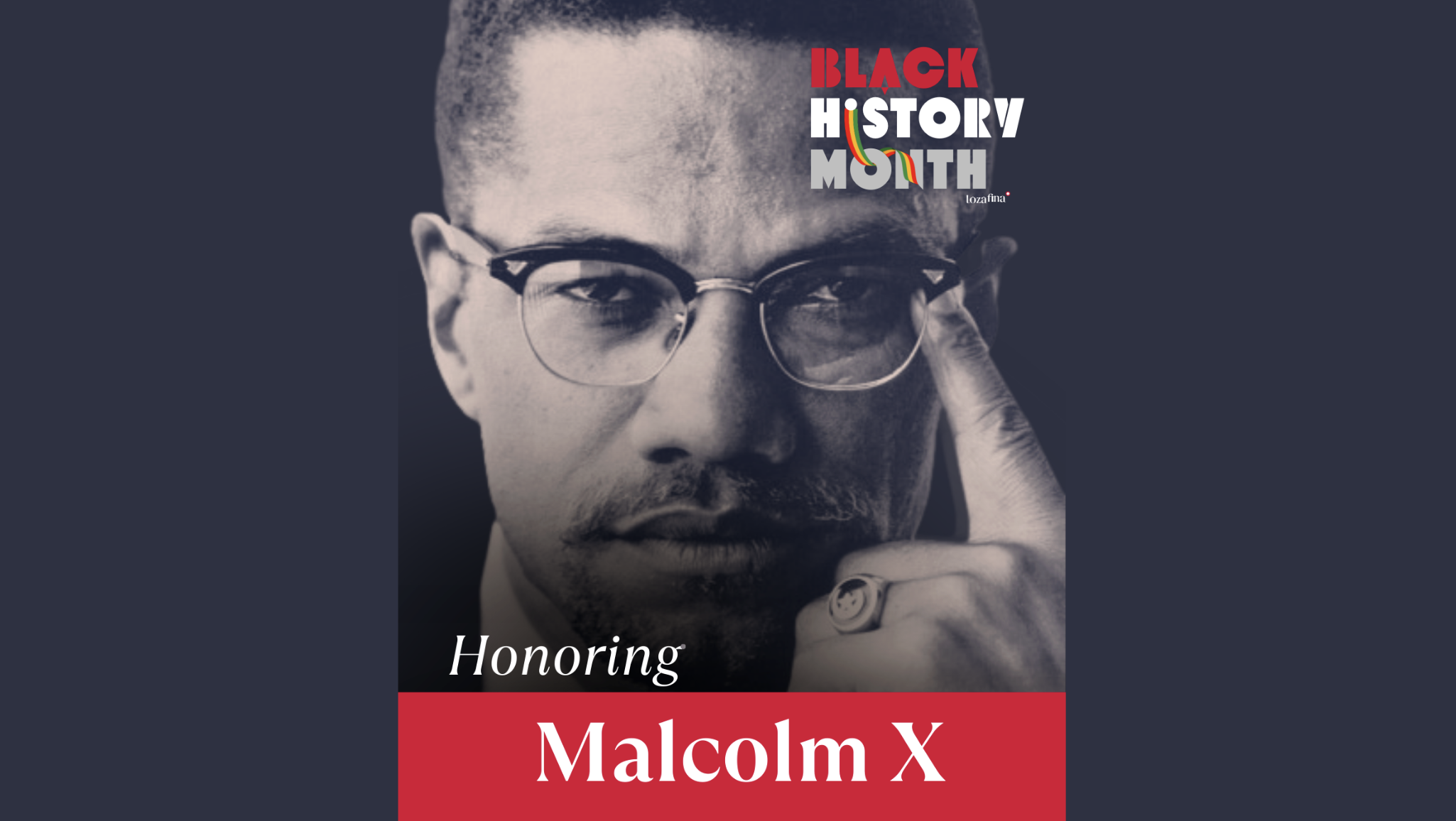
Malcolm X (Malcolm Little / el-Hajj Malik el-Shabazz)
Story by Aniya Porter
Born in Omaha, Neb., on May 19, 1925, Malcolm X stands as one of the most influential and uncompromising voices for Black liberation in American history, and one of Omaha’s most profound legacy makers. His life story is not one of comfort or ease, but of transformation, truth-telling, and radical courage.
Malcolm’s early years were shaped by racial violence and systemic injustice. After his father was killed under suspicious circumstances tied to white supremacist terror, and his family was fractured by poverty and state intervention, Malcolm’s youth was marked by displacement and struggle. Yet even in those early chapters, the seeds of his sharp intellect and unyielding clarity were present.
During his incarceration as a young man, Malcolm educated himself extensively and embraced Islam, an awakening that reshaped his worldview and purpose. He emerged as a powerful leader within the Nation of Islam, becoming one of its most visible ministers and spokespersons. His speeches challenged America to confront racism not as a moral failure alone, but as a structural reality requiring accountability and self-determination.
After leaving the Nation of Islam in 1964, Malcolm founded Muslim Mosque, Inc. and the Organization of Afro-American Unity, signaling a broadened, global vision for human rights rooted in Pan-African solidarity. His pilgrimage to Mecca deepened his understanding of Islam and humanity, reflecting a leader still evolving, still listening.
Malcolm X was assassinated on February 21, 1965, but his voice did not die with him. His insistence on dignity, self-respect, and liberation “by any means necessary” continues to resonate across generations and movements.
For Omaha, Malcolm X is more than a historical figure; he is a reminder that world-changing leadership can emerge from our own neighborhoods. His legacy challenges us to speak truth boldly, organize intentionally, and never apologize for demanding justice.
Know a Black community leader whose story should be told? Nominate them by emailing office@lozafina.com.